A pink wildflower so good at its job, Russia made it illegal
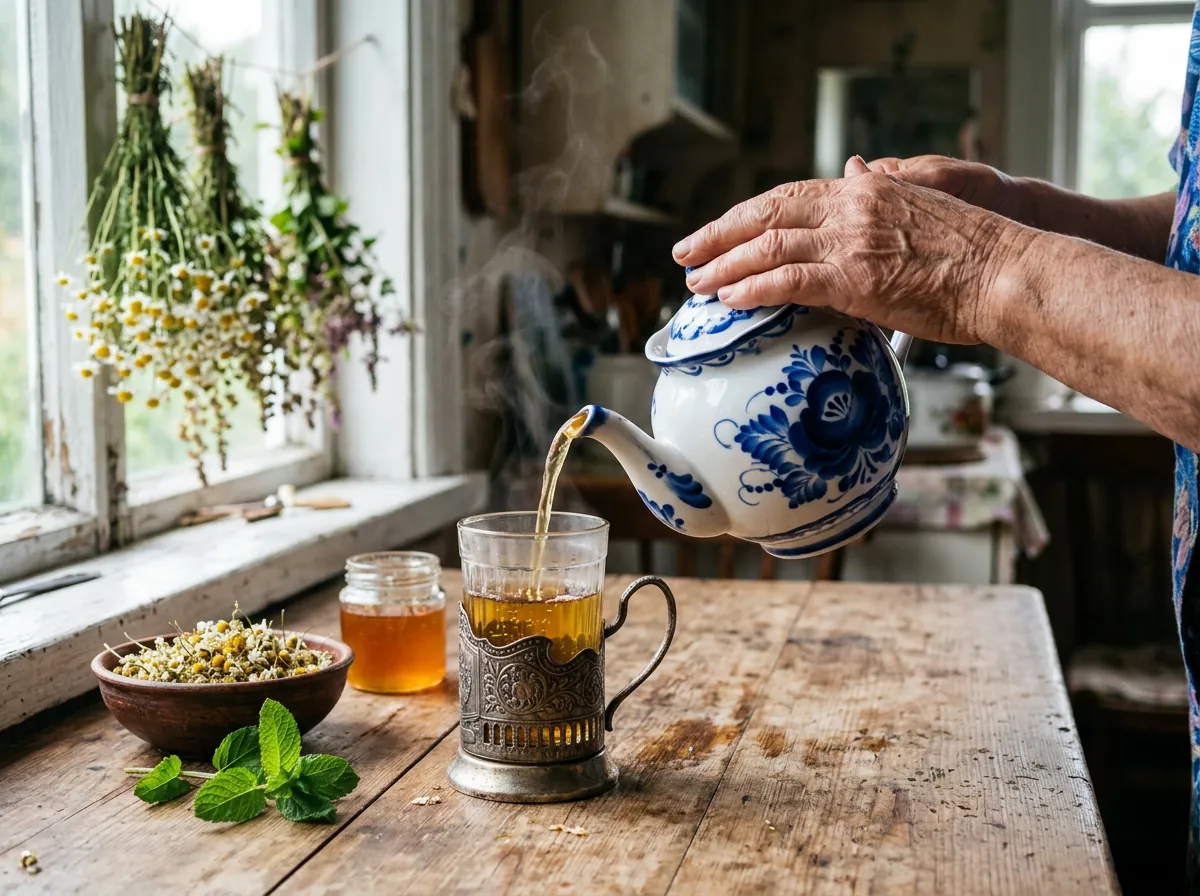
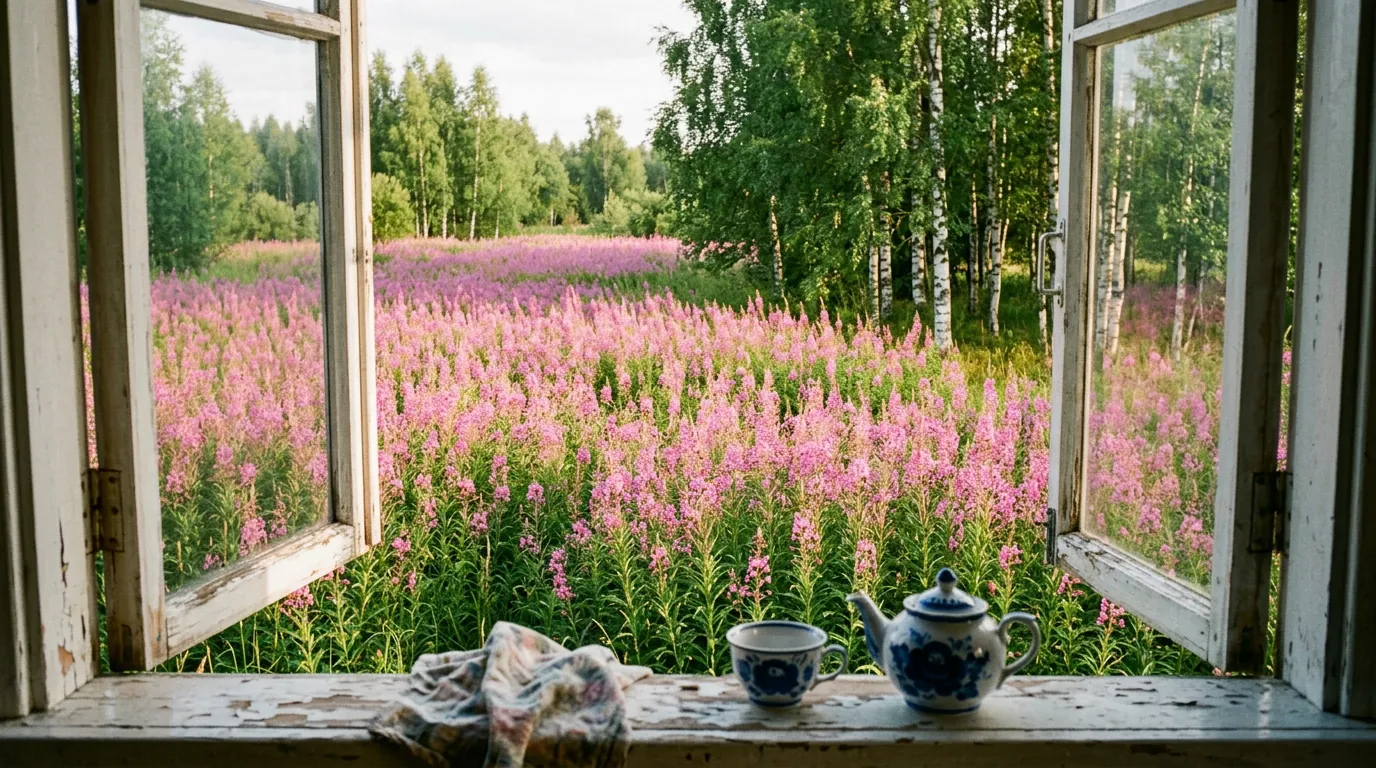
Near the village of Koporye, outside St. Petersburg, peasants picked a tall pink wildflower, rolled its leaves, let them ferment and dried them like black tea. It brewed dark, earthy and caffeine-free, and it sold for a fraction of the price of tea from China.
The tea merchants were not amused. What followed is all on the record:
- 1816Counterfeiting tea is banned. The cheap local leaf was being mixed into “Chinese” tea.
- 1833Trading in counterfeit tea is banned too.
- 1839The Rural Police Charter bans gathering the plant at all, alone or mixed with tea.
- 1888Two brothers stand trial for making it. One is exiled to Siberia, to Tomsk province, for life.
Today Russians call it ivan-chai again and buy it openly. And here’s the twist for North Americans: the same plant grows wild across Canada and the northern US. Most people walk past it every summer.
Sources: Russian tea-trade history, Gateway to Russia; EU herbal monograph Epilobii herba. Legends we checked and left out are listed in Chapter 2.
 Illustration
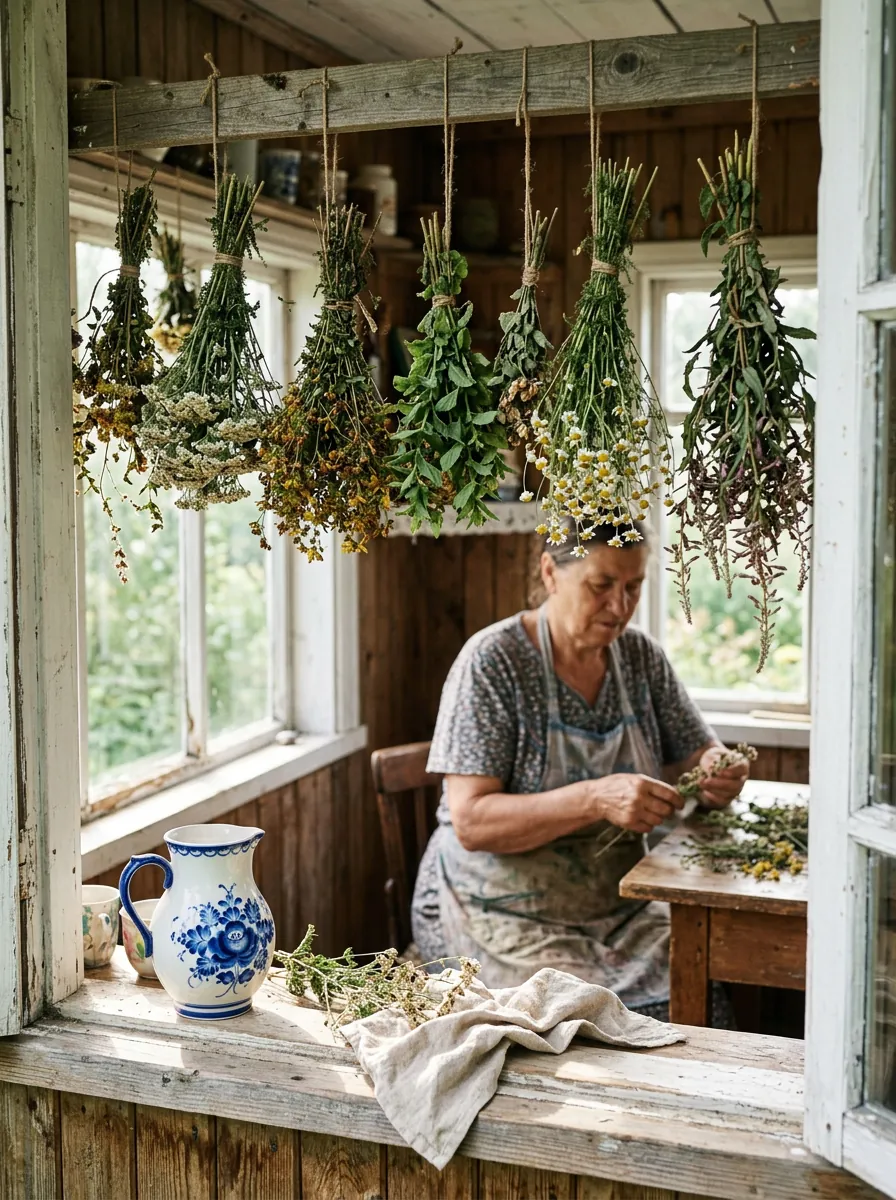
Babushka never threw out a “weed” she could name.